Introduction
A well-functioning septic system is essential for managing household wastewater efficiently. At the heart of this system lies the leach field, responsible for filtering and dispersing treated effluent into the soil. When issues arise within this component, it can lead to significant problems, including backups, unpleasant odors, and potential environmental hazards. Understanding the causes of septic leach field failure and implementing effective maintenance strategies is crucial for homeowners.
Understanding the Causes of Septic Leach Field Failure
Septic leach field failure occurs when the soil’s ability to absorb and treat effluent diminishes. This can result from various factors, each compromising the system’s efficiency and longevity.
Sodium present in household wastewater can bind with soil particles, forming a dense, impermeable layer beneath the drain field pipes. This hard pan soil prevents proper absorption of effluent, causing it to surface or back up into the system. Addressing sodium buildup is critical to restoring the soil’s permeability and preventing septic leach field failure. Identifying and mitigating sodium buildup helps maintain the leach field’s efficiency.
Over time, the soil beneath the drain field pipes can become compacted, reducing their permeability. This compaction hinders the soil’s ability to absorb wastewater, leading to pooling on the surface and potential system backups. Factors contributing to this compaction include natural settling and the presence of sodium in wastewater, which binds with soil particles, creating a non-permeable layer known as hardpan soil. This soil compaction can also contribute to septic leach field failure over time.
Bio-mat is a slimy layer formed by anaerobic bacteria waste that accumulates at the bottom of the trenches in the leach field, just above the hardpan soil layer. While a thin layer is normal and aids in filtration, excessive accumulation can block wastewater flow, leading to system failure. This buildup often results from a lack of oxygen in the soil, which is essential for aerobic bacteria to thrive and break down organic matter effectively. Preventing bio-mat buildup is vital to avoid the risk of septic leach field failure.
Introducing excessive organic material into the septic system can overwhelm the natural bacterial processes responsible for breaking down waste. This overloading leads to the accumulation of solids in the tank and leach field, clogging the system and reducing its efficiency. Regular maintenance and mindful usage are essential to prevent this issue and avoid contributing to septic leach field failure.
Selecting an Effective Septic Tank Cleaner
Maintaining a healthy septic system requires the use of appropriate cleaning agents that address the specific challenges faced by the leach field. Choosing the best septic tank cleaner involves understanding the products that effectively restore soil permeability and eliminate bio-mat issues without introducing harmful bacteria or enzymes.
Characteristics of a High-Quality Septic Tank Cleaner
An effective septic tank cleaner should possess certain qualities to ensure optimal performance:
The Role of Septic Drainer and Bio-Septic Boost
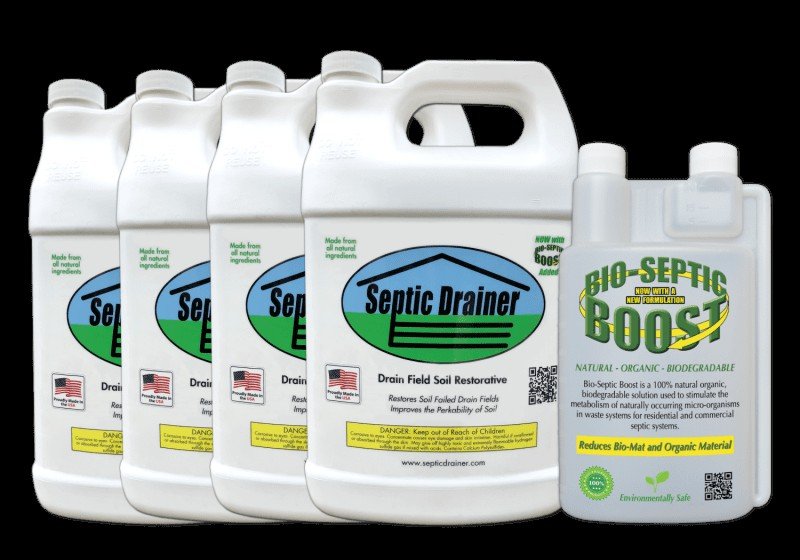
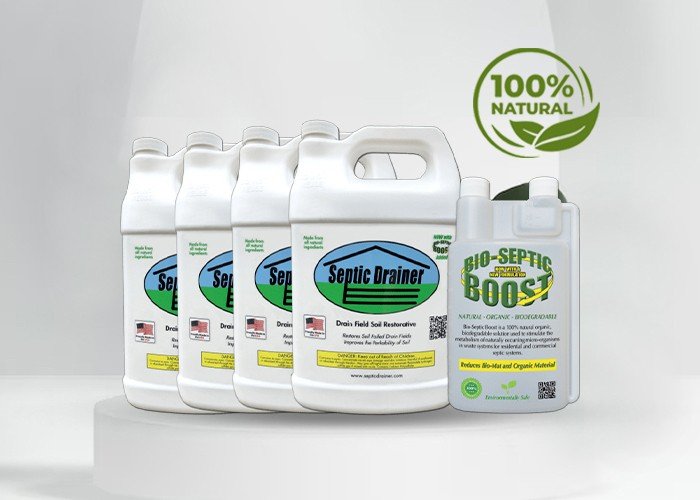
Septic Drainer is a soil conditioner developed to address issues related to hardpan soil and restore the permeability of the leach field. Breaking up compacted soil layers facilitates the proper absorption of wastewater. It is essential to use the best septic tank cleaner to avoid compaction issues that could lead to septic leach field failure.
Bio-Septic Boost complements this process by acting as a bio-stimulant nutrient that enhances the activity of aerobic bacteria. Derived from sea plant extracts, it stimulates the microbial population responsible for breaking down organic matter, thereby reducing bio-mat accumulation. By maintaining a balance of aerobic bacteria, the risk of septic leach field failure is minimized.
Implementing a Maintenance Routine to Prevent Leach Field Failure
Regular maintenance is key to preventing septic leach field failure. By adopting a proactive approach, homeowners can extend the lifespan of their septic systems and avoid costly repairs.
Scheduling regular inspections and pumping of the septic tank ensures that solids do not accumulate to levels that could overflow into the leach field. This practice helps maintain the system’s efficiency and prevents blockages that could lead to failure. Regular inspections also help detect any signs of impending septic leach field failure.
Excessive water usage can overwhelm the septic system, leading to hydraulic overloading. Implementing water-saving measures, such as fixing leaks and using efficient appliances, helps maintain the balance within the system. Proper water usage is essential in avoiding septic leach field failure, which can occur when the system becomes overloaded.
Introducing non-biodegradable materials, chemicals, or excessive grease into the septic system can disrupt the microbial balance and clog the leach field. Proper disposal of waste and mindful usage of household products are essential practices. By avoiding harmful substances, you reduce the risk of contributing to septic leach field failure.
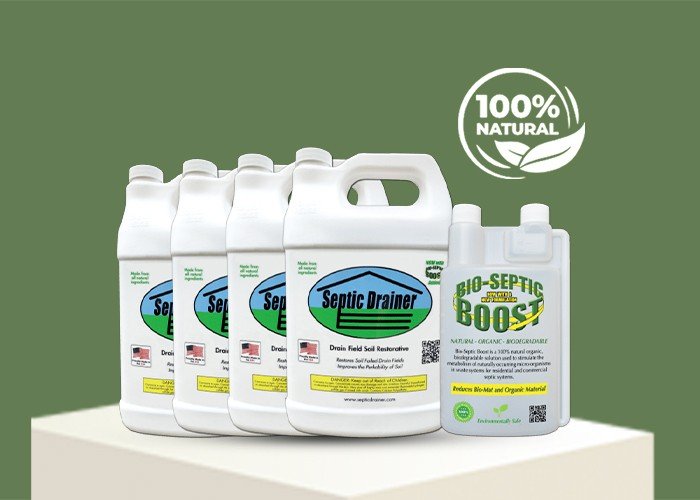
Employing maintenance kits that include products like Septic Drainer and Bio-Septic Boost can aid in the ongoing health of the septic system. These kits provide a comprehensive solution to address soil compaction and bio-mat accumulation, ensuring the leach field remains functional. Using the best septic tank cleaner as part of a routine maintenance kit can prevent leach field failure by improving system efficiency.
Recognizing Signs of Leach Field Issues
Early detection of potential problems within the leach field can prevent full-scale failures. Homeowners should be vigilant for signs such as:
If any of these signs are detected, it is crucial to address the issue promptly to prevent septic leach field failure.
Conclusion
Maintaining a functional septic system requires understanding the factors that contribute to leach field failure and implementing effective maintenance strategies. By selecting appropriate cleaning agents, such as Septic Drainer and Bio-Septic Boost, and adhering to regular maintenance routines, homeowners can prevent issues related to soil compaction and bio-mat accumulation.
Proactive care not only extends the lifespan of the septic system but also safeguards the surrounding environment from potential contamination. Regular use of the best septic tank cleaner ensures that the leach field remains in optimal condition, preventing costly septic leach field failure down the road.
Frequently Asked Questions
Septic leach field failure occurs when the soil’s ability to absorb and treat effluent from the septic tank diminishes. This can be caused by soil compaction, bio-mat buildup, or excessive sodium in the wastewater, which reduces the permeability of the soil. Other factors, such as organic overloading or improper maintenance, can also contribute to septic leach field failure.
If your septic tank or leach field is showing signs of failure, such as slow draining fixtures, unpleasant odors, or surface pooling, it may be time to use the best septic tank cleaner. High-quality cleaners help restore soil permeability and eliminate bio-mat accumulation, which are key factors in preventing septic leach field failure.
Yes, using the wrong septic tank cleaner can contribute to septic leach field failure. Products that are too harsh or improperly formulated can disrupt the microbial balance in the tank and leach field, potentially leading to more severe problems like bio-mat buildup and soil compaction. It’s important to select the best septic tank cleaner to avoid these issues.
The frequency of using the best septic tank cleaner depends on factors such as household water usage and the age of the septic system. Generally, a quarterly or bi-annual use of septic tank cleaner can help prevent clogs and bio-mat buildup. It’s also recommended to follow the manufacturer’s guidelines for best results and to prevent septic leach field failure.
Signs of septic leach field failure include slow drainage in sinks or toilets, unpleasant odors near the septic system, pooling of water on the surface above the drain field, and unusually lush vegetation in the area. These issues often signal that the leach field is not properly treating wastewater, and maintenance or repairs may be necessary.
Yes, regular septic tank maintenance is essential in preventing septic leach field failure. By having your tank pumped and inspected regularly, and using the best septic tank cleaner, you can maintain the system’s efficiency, reduce the risk of clogs, and prevent problems that can lead to septic leach field failure.
If you suspect that your septic leach field is failing, it is important to address the issue as soon as possible. Contact a professional to inspect the system, and in the meantime, avoid using excess water and refrain from adding chemicals that may further disrupt the septic system. Regular use of the best septic tank cleaner can also help restore function.
[/fusion_text][/fusion_builder_column][/fusion_builder_row][/fusion_builder_container]