Dealing with a failing septic system can be frustrating and costly, but the good news is that with the right tools and knowledge, you can repair and maintain your septic system effectively. Septic leach field failures are a common issue faced by homeowners, often resulting from soil compaction, clogged drain fields, and improper wastewater absorption. Fortunately, there are solutions to these problems that do not require expensive replacements.
In this guide, we’ll explore real-life solutions to septic leach field failures, focusing on preventing and treating clogged drain fields, and maintaining healthy septic systems. We’ll delve into how soil compaction, bio-mat accumulation, and sodium buildup contribute to septic issues and how products like the best septic tank treatment can restore and maintain system functionality. By understanding these factors, you can address and prevent further failures in your septic system.
Understanding the Root Causes of Septic Leach Field Failures
Septic leach field failures happen when the soil in the leach field is unable to properly absorb wastewater, leading to serious backups and surface pooling. A clogged drain field is one of the most common causes of this issue, which may arise from several factors. The soil underneath the drain field pipes plays a crucial role in wastewater absorption, and when this soil becomes compacted or contaminated, the entire system may fail.
Soil Compaction is a significant factor contributing to leach field failure. Over time, the soil under the septic drain field can become compacted, reducing its ability to absorb wastewater. This is often caused by sodium, which binds with soil particles and forms a hardpan layer. This non-permeable layer prevents water from passing through, leading to backups and slow drainage.
Another common cause of septic field failure is Bio-Mat Accumulation. Bio-mat is a slimy layer formed by waste and anaerobic bacteria in the septic system. This layer accumulates at the bottom of the drain field trenches, further blocking the wastewater flow and exacerbating the issue. When bio-mat buildup is left untreated, it can significantly affect the functionality of your septic system.
The combination of Sodium Buildup and bio-mat creates a toxic environment for the soil, leading to reduced permeability. Sodium, commonly found in wastewater, mixes with the soil to form a dense, compacted layer that obstructs wastewater flow. This problem is exacerbated by adding salt-based products like water softeners, which can increase sodium levels in the soil.
Signs of a Clogged Drain Field
A clogged drain field is one of the main indicators of a septic system failure. Knowing the signs can help you address the problem early before it escalates into a costly issue. Some common signs include:
If you’re experiencing any of these issues, it’s important to take action before the problem worsens. Fortunately, the best septic tank treatment products can help restore the functionality of your septic system and eliminate issues caused by a clogged drain field.
Solutions for Overcoming Septic Leach Field Failures
When it comes to septic leach field failure, one of the most effective solutions is to address soil compaction and bio-mat accumulation. Traditional methods often require costly excavation and replacement of the soil. However, using a combination of septic tank treatments and soil conditioners can restore the functionality of the leach field without the need for digging.
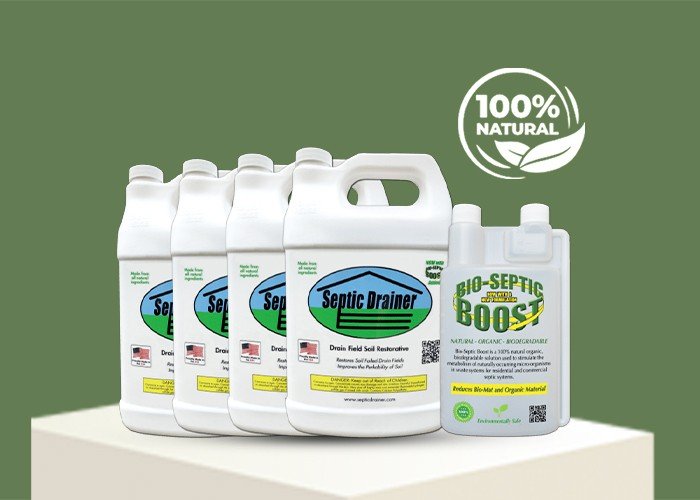
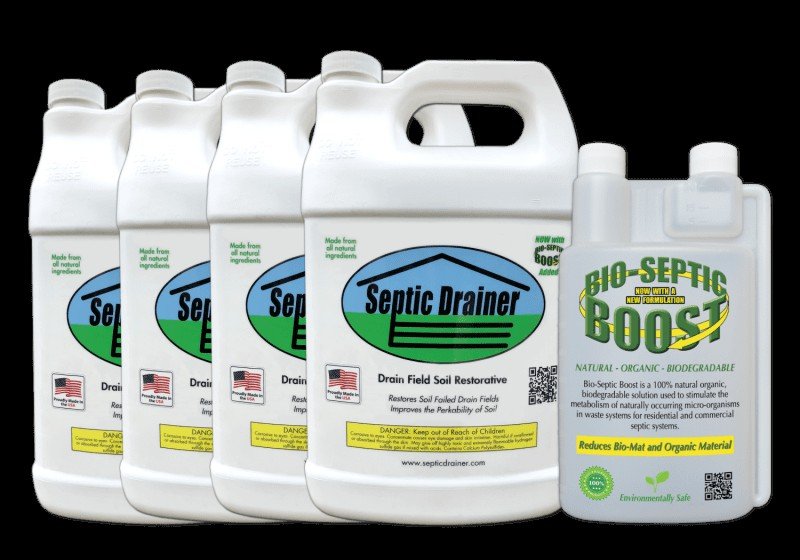
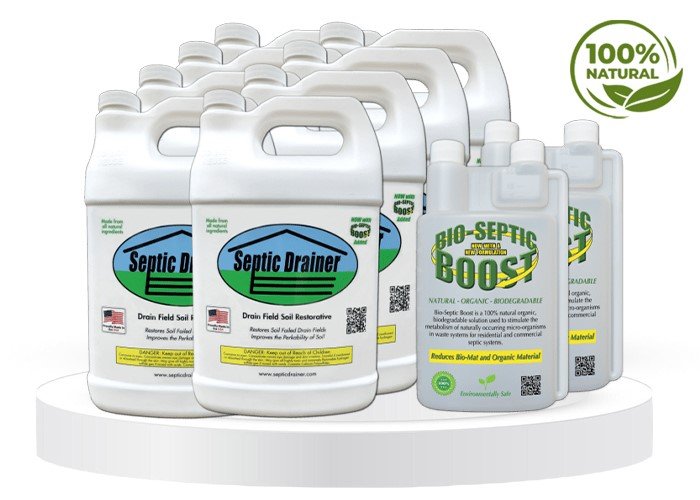
One of the most effective products for addressing soil compaction and clogged drain fields is the Septic Drainer. This all-natural solution is designed to break up the compacted soil in the leach field, improving permeability and allowing wastewater to pass through more efficiently. Septic Drainer works by opening the soil around the drain field pipes, restoring airflow, and creating a more favorable environment for wastewater absorption.
In addition to Septic Drainer, Bio-Septic Boost is another product that can significantly enhance the biological activity of your septic system. Made from a sea plant extract, Bio-Septic Boost stimulates the growth of beneficial bacteria that break down waste and eliminate bio-mat buildup. This combination of Septic Drainer and Bio-Septic Boost can effectively address the root causes of septic system failures, such as clogged drain fields and soil compaction.
How to Use the Best Septic Tank Treatment?
To maximize the effectiveness of septic tank treatments, it’s essential to follow the proper procedures for application. The first step is to identify the specific issue with your septic system, such as soil compaction or bio-mat buildup. Once the problem is identified, apply the best septic tank treatment to the affected area according to the product instructions.
For a clogged drain field, Septic Drainer is an excellent choice. Simply apply the recommended amount of the treatment to the leach field area, allowing it to break down compacted soil and improve permeability. Bio-Septic Boost can be added alongside Septic Drainer to enhance bacterial activity and break down bio-mat accumulation.
Regular maintenance is key to preventing future septic system failures. The best septic tank treatment can help keep your septic system running smoothly by maintaining soil health and preventing clogging. By using these products as part of your septic maintenance routine, you can ensure the long-term functionality of your system.
Preventing Septic Leach Field Failures
Preventing septic leach field failure requires proactive care and attention to your septic system. One of the best ways to keep your system in good working order is by using high-quality septic treatments like Septic Drainer regularly. These products help maintain the health of your septic system by breaking down waste, preventing bio-mat buildup, and improving soil permeability.
It’s also important to avoid overloading the septic system with excessive organic material, which can lead to bacterial imbalances and clogging. Proper waste disposal and regular pumping of the septic tank are essential steps in maintaining a healthy septic system.
Additionally, avoid using products that can exacerbate sodium buildup in the soil, such as water softeners. Sodium can bind with soil particles, creating a hardpan layer that impedes wastewater flow. If you have a water softener installed, consider alternative methods for softening your water to reduce the impact on your septic system.
Conclusion
Septic leach field failures can be a major headache for homeowners, but with the right tools and products, these issues can be addressed and prevented. By using the best septic tank treatment, such as Septic Drainer, you can restore the permeability of your soil, eliminate bio-mat buildup, and improve the overall function of your septic system. Regular maintenance and proper septic care are essential to keeping your system in good working order, ensuring that you won’t have to deal with costly repairs or replacements. For more contact us today.[/fusion_text]